
Key Takeaways
- Nature time reduces stress and improves overall well-being.
- You can enhance your mood and outlook with simple adjustments to your indoor and outdoor environments.
- Making nature part of your daily routine is possible for everyone, regardless of location.
In today’s busy world filled with constant notifications and endless to-do lists, it is easy to feel disconnected from the natural world outside our windows. Yet, even small efforts to embrace nature offer powerful benefits for our physical and emotional well-being. With ongoing stress impacting mental health worldwide, weaving time in nature into your routine becomes essential. Whether you live in an urban space or in a place surrounded by green, it is possible, and deeply rewarding, to rediscover the healing power of the outdoors. For inspiration and practical ideas, check out The Outside Society.
People who make space for nature in their daily lives report lower stress levels, improved mood, and a general sense of calm. Simple choices, such as mindful walks or inviting natural elements into your home, can recharge your mind and body. Prioritizing your connection to nature helps restore balance, brings you joy, and even builds resilience against life’s challenges.
- Spending time outdoors, even briefly, can significantly lower anxiety and feelings of overwhelm.
- Small, regular activities such as tending a plant or taking a walk can improve your outlook and boost creativity.
- Building natural rhythms into your day helps develop a deep and lasting relationship with the environment.
Embrace the 20-5-3 Rule
One of the easiest ways to develop a regular connection with the outdoors is by following the "20-5-3 rule." Developed by Dr. Rachel Hopman, this method recommends:
- Spend at least 20 minutes in a local green space three times a week. City parks and community gardens work perfectly.
- Plan for five hours a month in more natural environments, such as state parks, forests, or waterfronts, that are less impacted by city life.
- Take a three-day break each year to disconnect from technology and fully immerse yourself in the wilderness.
This structured yet flexible framework supports lower cortisol levels and improvements in mood and focus. Consistently following the 20-5-3 rule leads to measurable improvements in well-being.
Incorporate Nature into Your Daily Routine
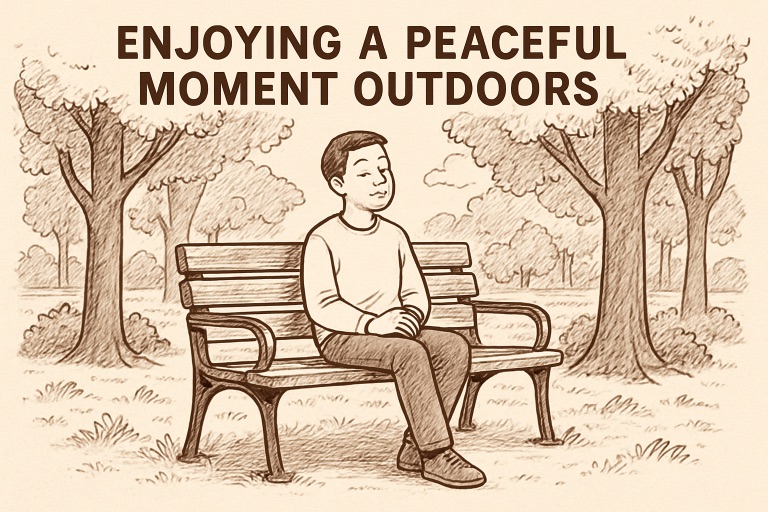
Nature does not have to be a far-off destination. Small changes to your routine can make nature a valuable presence, even if you live in a crowded city. Start your morning with a slow walk, paying attention to the details of trees, flowers, or even weeds poking through the sidewalk. During lunch, seek out a pocket park or sunny bench to enjoy your meal in the fresh air. In the evening, set aside a few quiet moments for a gentle stroll, letting your mind clear as you observe birds, clouds, or the changing light.
Even limited doses of outdoor time are linked to sharper thinking and higher resilience. By creating small outdoor rituals, you can experience consistent relief from the pressures of modern living.
Bring the Outdoors Inside
Natural elements in your home can instantly shift your mood and well-being. Add easy-care houseplants like snake plants or pothos to your living space to purify the air and add a splash of green. Arrange stones, shells, or pieces of driftwood on your shelves, or opt for wood and bamboo furniture to foster a sense of calm. Even changing your wall colors to earth tones or sky blues can lower anxiety and create a sanctuary vibe at home.
- Choose hearty plants if you have limited direct sunlight.
- Display natural textures, such as woven baskets or stone coasters.
- Open windows whenever possible to fill your home with outdoor air and sounds.
Practice Forest Bathing
Forest bathing, known as shinrin-yoku in Japan, is the simple act of immersing yourself in a wooded area and mindfully taking in the sights, sounds, and scents. Even if you cannot access a forest, the practice can be adapted to any green environment. The key is to move slowly, unplug from technology, and pay deep attention to your senses. This form of mindful walking lowers salivary cortisol levels (a stress hormone), boosts immune function, and lifts mood.
Engage in Outdoor Hobbies
Finding pursuits that keep you returning outside builds both skill and a deeper connection. Gardening is accessible to everyone, regardless of space, by using containers, window boxes, or plot gardens. Birdwatching offers joy year-round and helps you focus on the present moment. If you prefer movement, hiking, biking, or even outdoor yoga, combine exercise with fresh air and opportunities to notice the natural world around you.
Pursuing these hobbies not only relieves stress but also fosters a sense of accomplishment and curiosity.
Volunteer for Environmental Causes
Taking a hands-on role in caring for parks, trails, or waterways helps protect and restore these spaces for future generations. Consider volunteering for tree planting initiatives, organizing local clean-ups, or participating in citizen science projects. These communal activities not only keep you outdoors for extended stretches but also connect you with neighbors and a wider purpose beyond yourself.
Unplug and Be Present
Designate screen-free time each day to absorb your surroundings and reflect without interruption. Spending time outdoors without digital distractions deepens your awareness and can reveal new sources of beauty in familiar places. Even for a few minutes, spending time in nature can provide clarity and a renewed sense of gratitude.
Create a Nature Journal
Capturing moments spent with nature in a journal or sketchbook heightens your appreciation and engagement. Record details about the birds you see each morning or the growth patterns of flowers in your neighborhood. Over time, your journal will serve as a meaningful record of your journey and help build a lifelong bond with your environment.
With these simple strategies, anyone can create a healthy and joyful connection to nature. Regular engagement with the natural world is one of the most reliable and accessible ways to enhance happiness, focus, and well-being.
Comments
Post a Comment
All comments are moderated before being published. Any inappropriate comments are forwarded to your mail server so that they may take proper action.