
Key Takeaways
- A criminal record can significantly limit employment, housing, and educational opportunities.
- Families of those with a criminal record often face emotional strain and societal stigma.
- Understanding legal options and seeking professional help can provide pathways to mitigate the negative effects.
The consequences of a criminal record go far beyond the legal penalties handed down in court. For many individuals, a conviction lingers for years, impacting employment prospects, personal relationships, and family stability. Whether the offense was minor or serious, the repercussions can reach into every aspect of life. For those facing such challenges, seeking legal guidance early can be crucial; resources like martinlawfirmpc.com offer information and support for navigating these difficult circumstances.
Family members often share in the burden, experiencing emotional distress and practical hardships that stem from their loved one's record. Understanding these impacts can help affected individuals and families find constructive ways to move forward and rebuild their lives.
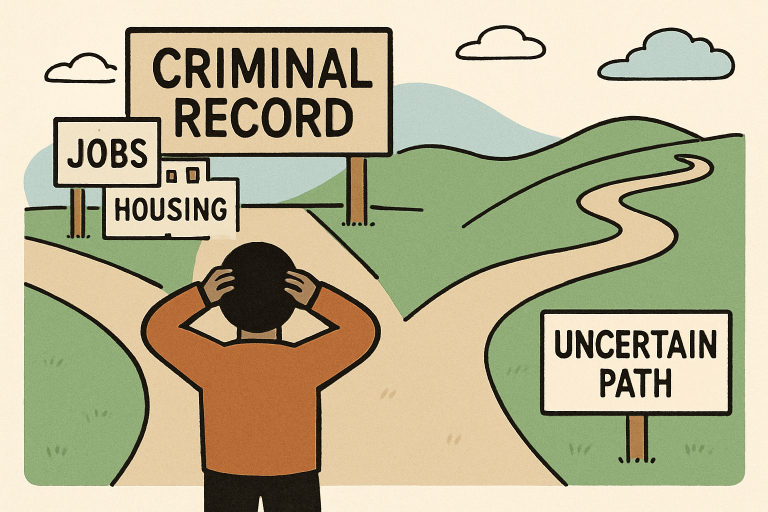
As society grows increasingly reliant on background checks for jobs, housing, and even volunteer roles, the visibility of a criminal history magnifies its consequences. Overcoming the barriers presented by a criminal record requires awareness, resilience, and a willingness to seek support from professionals and the broader community.
Beyond legal solutions, addressing the stigma attached to a criminal record involves broader cultural shifts and informed advocacy for fair treatment in hiring and social programs.
The Career Impact of a Criminal Record
Barriers to Employment
Employers routinely conduct background checks as a standard part of the hiring process. A criminal conviction can lead to an application being set aside, especially in competitive job markets. Some industries, such as healthcare, education, and government, impose particularly strict restrictions on hiring individuals with certain offenses. Even nonviolent or old convictions can create substantial roadblocks to finding stable employment.
Stagnation and Underemployment
If employment is secured, it is often in lower-wage positions or jobs with limited advancement opportunities. Employers may hesitate to promote individuals with records into supervisory or public-facing roles, leading to career stagnation. Lack of access to stable, well-paying work only increases the stress on individuals and their families, potentially perpetuating cycles of economic hardship.
Professional Licensing Issues
Many career paths require professional licensing. State and federal regulatory agencies often ask about criminal backgrounds, and in some cases, a conviction results in automatic disqualification. Trades like nursing, law, childcare, and real estate are especially sensitive, leaving skilled individuals struggling to use their training.
The Ripple Effect on Family Life
Emotional and Social Consequences
When a family member has a criminal record, the repercussions can be deeply personal. Families may experience feelings of shame, worry, or isolation. Children can suffer from disruptions in parental care, particularly if a conviction includes incarceration. Spouses and partners may be forced into single-parenting or additional work to make up for lost income, increasing their own stress and fatigue.
Stigma and Community Challenges
Social stigma affects more than the individual. Children might face bullying or exclusion at school, and families could encounter judgment from neighbors or other community members. These feelings of exclusion often deepen emotional distress, making it harder for everyone involved to move forward.
Barriers to Housing and Education
Some landlords and housing authorities either deny applications outright or make renting difficult for those with criminal records, resulting in limited choices and unstable living situations. Additionally, background checks are increasingly common at colleges and universities, potentially restricting access to education and scholarship opportunities for the whole family.
Legal Remedies and Coping Strategies
Expungement and Record Sealing
Legal avenues like expungement or record sealing may be available, depending on state laws and the nature of the offense. These processes can limit the visibility of a criminal record and offer greater access to opportunities. Consulting an experienced attorney is often the first step in determining eligibility and navigating the application process.
Seeking Support and Advocacy
Both individuals and families can benefit from professional counseling and community advocacy groups. Support groups, therapy, and nonprofit organizations dedicated to criminal justice reform offer both emotional support and practical resources.
Promoting Fair Hiring Practices
Initiatives like “Ban the Box,” which advocate for removing criminal history questions from initial job applications, are gaining traction across the country. Employers that adopt fair-chance hiring recognize the value of giving people a fresh start and helping families affected by a criminal record thrive again.
Final Thoughts
The impact of a criminal record is complex and multifaceted, with repercussions that extend into careers and family stability. Proactive steps, including seeking legal advice, utilizing support networks, and advocating for more just employment practices, can help individuals and their loved ones reclaim their futures. By fostering understanding and promoting second chances, communities and employers can play an essential role in supporting families affected by criminal records.
Comments
Post a Comment
All comments are moderated before being published. Any inappropriate comments are forwarded to your mail server so that they may take proper action.