
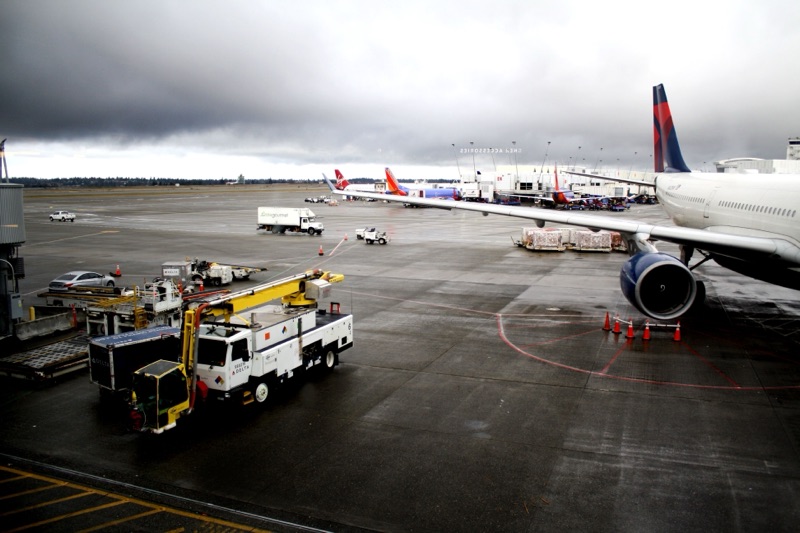
Photo provided by sponsor
Air travel has become an essential part of modern life, connecting people, businesses, and economies across the globe. As passenger numbers continue to rise and airlines face increasing pressure to improve service while controlling costs, efficiency has become one of the most important priorities within the aviation industry. Airports, airlines, and aviation service providers are continuously investing in innovative technologies that streamline operations and improve the travel experience.
Technological advancements are transforming nearly every aspect of air transportation. From sophisticated aircraft systems to intelligent airport management platforms, modern solutions are helping reduce delays, improve safety, enhance sustainability, and create smoother journeys for travelers. These innovations are shaping an aviation ecosystem that is faster, more reliable, and better equipped to meet future demands.
Artificial Intelligence in Aviation Operations
Artificial intelligence has emerged as one of the most influential technologies in modern aviation. Airlines and airports use AI driven systems to analyze enormous amounts of operational data, enabling more accurate decision making and improved efficiency throughout the travel process.
Predictive analytics powered by artificial intelligence helps airlines anticipate maintenance needs before problems occur. Instead of waiting for equipment failures, maintenance teams can schedule repairs proactively, minimizing disruptions and reducing costly downtime. These capabilities help airlines maintain more reliable flight schedules while maximizing aircraft availability.
AI is also improving passenger services. Automated customer support systems, virtual assistants, and personalized travel recommendations help travelers receive information quickly while reducing the workload on airline personnel.
Advanced Air Traffic Management Systems
Efficient airspace management is critical for maintaining on time performance and reducing congestion. Modern air traffic control technologies allow aviation authorities to monitor aircraft movements more accurately and coordinate flight operations more effectively.
Satellite based navigation systems provide enhanced precision compared to traditional navigation methods. These technologies allow aircraft to follow more efficient flight paths, reducing fuel consumption and shortening travel times. Improved route management benefits both airlines and passengers while helping reduce environmental impact.
Real time communication systems also enhance coordination between pilots, controllers, and airport operators. Faster information sharing contributes to safer operations and more efficient traffic flow throughout the aviation network.
Automated Airport Processes
Airports are increasingly adopting automation to improve efficiency and manage growing passenger demand. Self service technologies have become common features in terminals around the world, helping travelers move through airports more quickly.
Automated check in kiosks, electronic boarding systems, and self service baggage drop stations reduce waiting times while allowing passengers greater control over their travel experience. These technologies enable airports to handle larger numbers of travelers without requiring proportional increases in staffing.
Automation also improves operational consistency. Digital systems can process routine transactions faster and with fewer errors, contributing to smoother airport operations and improved customer satisfaction.
Smarter Aircraft Maintenance Practices
Aircraft maintenance plays a crucial role in aviation safety and operational efficiency. Advances in diagnostics, sensors, and monitoring technologies have transformed the way maintenance activities are performed.
Modern aircraft generate large amounts of performance data during every flight. Maintenance teams can analyze this information to identify developing issues and address them before they affect operations. This predictive approach reduces unscheduled repairs and helps keep aircraft available for service.
Understanding technical standards and equipment calibration procedures is essential within these maintenance environments. Professionals often seek information regarding what is iso calibration because accurate measurement and testing practices support reliable maintenance outcomes and regulatory compliance across aviation operations.
Digital Baggage Management Systems
Baggage handling has historically been one of the most complex aspects of airport operations. New technologies are helping airports improve tracking capabilities and reduce the number of misplaced bags.
Advanced baggage management systems use automated sorting equipment, scanners, and tracking technologies to monitor luggage throughout the journey. Passengers increasingly have access to real time baggage updates through mobile applications, providing greater transparency and confidence.
Improved baggage systems benefit airports and airlines by reducing operational inefficiencies while helping travelers avoid unnecessary stress. More accurate handling processes contribute to higher levels of customer satisfaction and service reliability.
Sustainable Aviation Technologies
Efficiency in aviation is closely connected to sustainability. Airlines and aircraft manufacturers are investing heavily in technologies that reduce fuel consumption and environmental impact while maintaining strong performance standards.
Modern aircraft designs use lightweight materials, advanced aerodynamics, and more efficient engines to improve fuel economy. These innovations allow airlines to lower operating costs while reducing emissions associated with air travel.
Airports are also adopting sustainable technologies such as energy efficient lighting systems, renewable energy infrastructure, and electric ground support equipment. These initiatives support broader industry efforts to create a more environmentally responsible future.
Conclusion
Technology is reshaping virtually every aspect of the aviation industry, creating opportunities to improve efficiency while enhancing the passenger experience. From artificial intelligence and biometrics to predictive maintenance and advanced data analytics, modern tools are helping airlines and airports operate more effectively than ever before.
As technological development continues, the aviation sector will become increasingly interconnected, responsive, and efficient. These innovations will play a critical role in supporting future growth while maintaining the safety, reliability, and convenience that travelers expect from modern air transportation.
Comments
Post a Comment
All comments are moderated before being published. Any inappropriate comments are forwarded to your mail server so that they may take proper action.