
Key Takeaways
- Evaluate layout, location, and livability, not just luxury finishes.
- Consider long-term ownership costs, insurance, and maintenance before buying.
- Inspect the property's condition and assess potential risks carefully.
- Choose a home with lasting lifestyle value and strong resale potential.
- Complete thorough due diligence before making an offer.
A high price can buy impressive finishes, a dramatic entry, or a long list of amenities. It does not automatically buy a home that is comfortable to live in, easy to maintain, private, insurable, or likely to appeal to future buyers. The strongest luxury purchase is one that performs well in daily life and continues to make sense after the excitement of the first showing fades.
Local perspective can make that evaluation more precise. Forest Hills real estate expert Beth Molteni is a Nashville real estate professional with more than three decades of experience in real estate and marketing. Beth Molteni's website offers home searches, property listings, buyer and seller guidance, and neighborhood resources for Nashville and Middle Tennessee. That kind of property-specific knowledge can help buyers look past a home's presentation and compare its location, condition, and long-term appeal.
Start With the Way the Home Works
Luxury should feel effortless, not merely spacious. Before focusing on square footage, walk through the home as if you already live there. Consider where groceries enter, where coats and bags land, how guests move through the main level, and whether private spaces remain truly separate from entertaining areas.
Questions to test the floor plan
- Does the home clearly separate public rooms from bedrooms and work areas?
- Is the kitchen practical for weekday cooking as well as larger gatherings?
- Are bedrooms quiet, well placed, and buffered from traffic or entertainment areas?
- Is there useful flex space for an office, gym, playroom, guest suite, or caregiver?
- Are closets, pantries, mudrooms, laundry rooms, and service areas adequate?
A smaller home with a thoughtful plan can feel more luxurious than a larger property with formal rooms that sit unused.
Study the Location at Street Level
A prestigious neighborhood name is only the beginning. The individual street, lot position, driveway access, and neighboring properties shape the everyday experience. Visit more than once, ideally on a weekday morning, weekday evening, and weekend. Listen for traffic, construction, school activity, aircraft, and outdoor noise. Test the actual route to work, schools, medical care, parks, shops, and favorite restaurants.
Also, investigate what could change. Nearby undeveloped land, zoning requests, road projects, and large-scale renovations may affect privacy, views, drainage, and traffic. A quiet side street, a usable driveway, and a simple route for daily errands can contribute more lasting value than an impressive gate or a grand approach.
Separate Real Privacy From Expensive Appearance
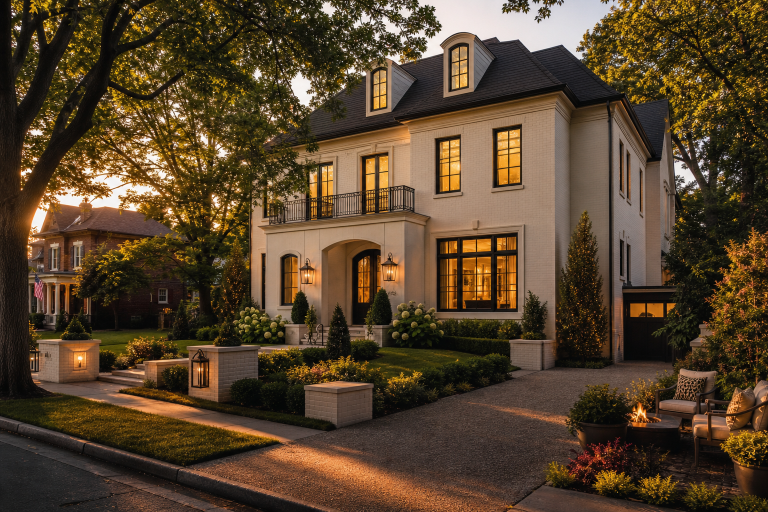
Privacy is more than a hedge along the front yard. Look from every major window, patio, pool deck, and balcony. Can neighbors see directly into bedrooms or outdoor entertaining spaces? Are there upper-story sightlines from nearby homes? Is the backyard deep enough to feel separate, or is landscaping doing all the work?
Mature trees can create a beautiful setting, but they also deserve careful review. Large trees may require ongoing pruning and can create concerns involving roots, drainage, storm damage, or proximity to the roof and foundation. Ask about fencing, exterior lighting, cameras, gates, and any planned construction on adjoining parcels. Genuine privacy supports comfort, security, entertainment, and future buyer demand.
Check the Long-Term Cost of Ownership
The purchase price is only the initial figure. Develop an ownership estimate that includes property taxes, insurance, utilities, landscaping, pool maintenance, security, subscriptions, and routine upkeep. Highlight systems that are likely to require attention within the first five years, such as roofing, HVAC, water heaters, irrigation, retaining walls, exterior paint, and appliances. Request service records, utility histories, warranties, permits, and repair documentation for major issues. A less expensive property might end up costing more if it needs a new roof, HVAC system, drainage work, or pool updates soon after buying. Luxury ownership is optimal when you understand the major costs beforehand.
Look Closely at Insurance and Property Risk
Insurance should be explored early rather than treated as a final administrative task. Ask for quotes before the inspection period ends, particularly for homes with older roofs, extensive acreage, pools, guesthouses, steep driveways, or a history of water issues.
Ask directly about prior water intrusion, sump pumps, grading, drainage routes, foundation repairs, retaining walls, and storm-related claims. A property may be beautifully renovated yet still carry an insurance cost or risk profile that affects its affordability and resale value.
Measure Quality Through Materials and Maintenance
Brand-name appliances and polished stone stand out, whereas durable construction is less apparent. Inspect window performance, roof, foundation, drainage, insulation, electrical, plumbing, door hardware, cabinet quality, and mechanical rooms. Hire qualified inspectors and specialists when necessary, especially for older homes, elevators, pools, landscaping, outbuildings, wells, septic systems, and smart-home systems. Keep in mind that deferred maintenance could be concealed by fresh paint, so evaluate the entire property, not just its exterior.
Consider the Home's Resale Audience
A luxury home does not need to appeal to every buyer, but it should have a clear future audience. Broad resale strengths include natural light, flexible bedrooms and office space, convenient parking, practical outdoor areas, privacy, manageable maintenance, and access to respected local amenities.
Be cautious with highly specialized features that sharply narrow the buyer pool. An oversized recording studio, a themed entertainment wing, or an elaborate water feature may be valuable to one owner but costly or irrelevant to the next. In a selective market, property-specific strengths matter more than general optimism about the neighborhood.
Compare Lifestyle Value With Financial Value
The best purchase is not always the home with the strongest short-term appreciation story. Consider the time it saves, the ease of hosting, access to preferred activities, flexibility for changing household needs, and the sense of calm it provides. Those benefits are meaningful when they improve life consistently over a long holding period.
Still, lifestyle value should not excuse unresolved concerns. A home can be emotionally compelling and financially sensible when its condition, maintenance demands, risk profile, and likely resale appeal all support the decision.
A Simple Property Review Checklist
- Location: Review the street, access, noise, services, and possible future changes.
- Layout: Test flow, storage, privacy, and flexible space.
- Condition: Examine systems, records, inspection findings, and maintenance quality.
- Risk: Investigate drainage, flood exposure, insurance, and structural concerns.
- Cost: Estimate taxes, utilities, upkeep, and near-term repairs.
- Resale: Identify the likely future buyer and the features that matter most.
- Fit: Decide whether the home supports the life you actually want to live.
Buy the Home That Works Hardest for Its Owner
Luxury is not limited to a price, a view, or an impressive first impression. The most valuable homes combine thoughtful design, dependable condition, a useful location, manageable ownership costs, and lasting buyer appeal. Verify the details, ask direct questions, and allow enough time for careful due diligence. The right luxury home should feel exceptional on the first visit and sensible for years afterward.
Comments
Post a Comment
All comments are moderated before being published. Any inappropriate comments are forwarded to your mail server so that they may take proper action.